
Epic unveiled a new family of foundation models today called “Curiosity,” trained on anonymized real-world records to forecast future diagnoses and procedures. For discharge nurses, these models provide a 12-hour “safety window” to identify potential post-acute needs, allowing for coordination to begin before the patient is even stable for transfer. Read More
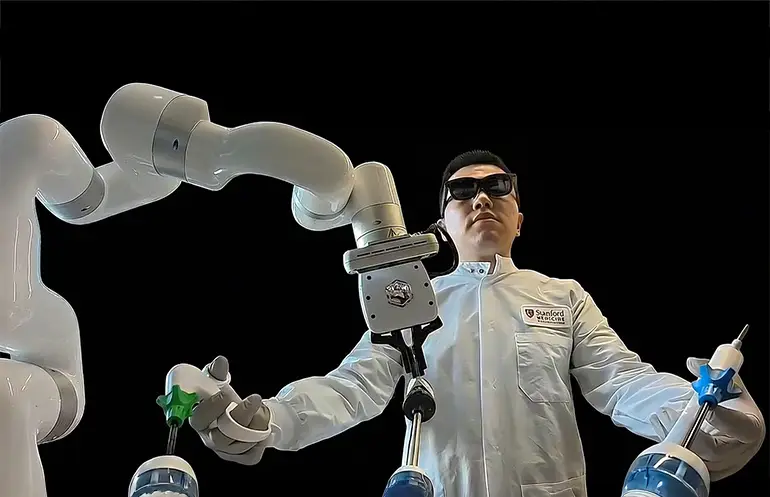
Researchers have debuted MedOS, a system that combines smart glasses, AI, and cobots into a unified clinical platform. For “Hospital at Home” models, MedOS allows home-health nurses to operate robotic assistants remotely with precision, providing a “digital twin” of the patient’s recovery environment in real-time. Read More

This AI platform continuously monitors patients after they leave the hospital via virtual check-ins and real-time data analysis. For community health nurses, it provides an “early-warning” layer that flags complications like post-surgical infections before they require a readmission. Read More
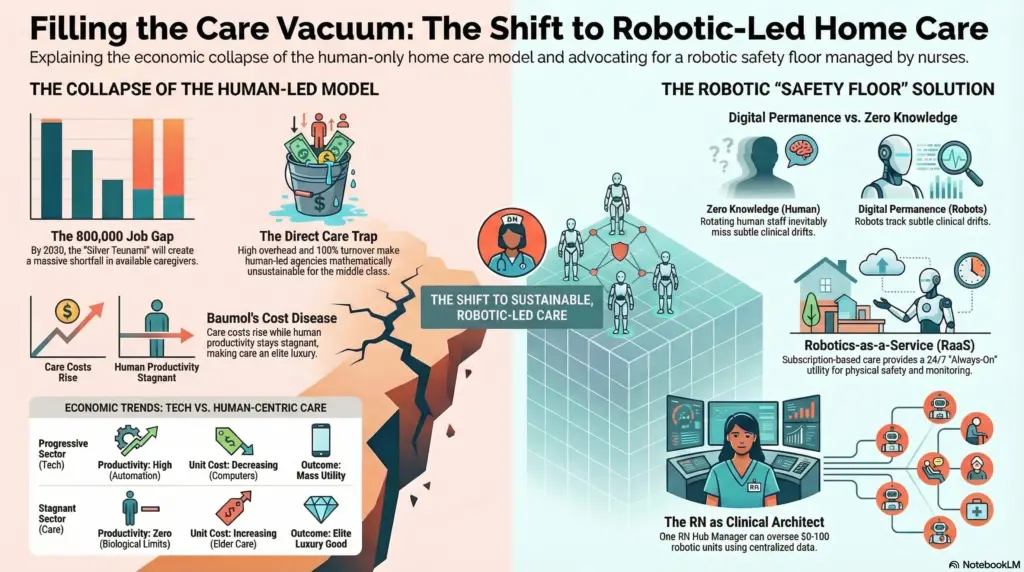
By: Jude Chartier, RN / AI Nurse Hub Date: March 7, 2026 Abstract The American home care industry is currently navigating a state of terminal economic failure. Traditional discourse often frames the rise of humanoid robotics as a threat to human employment; however, a rigorous analysis of labor data and economic theory reveals a “Care […]
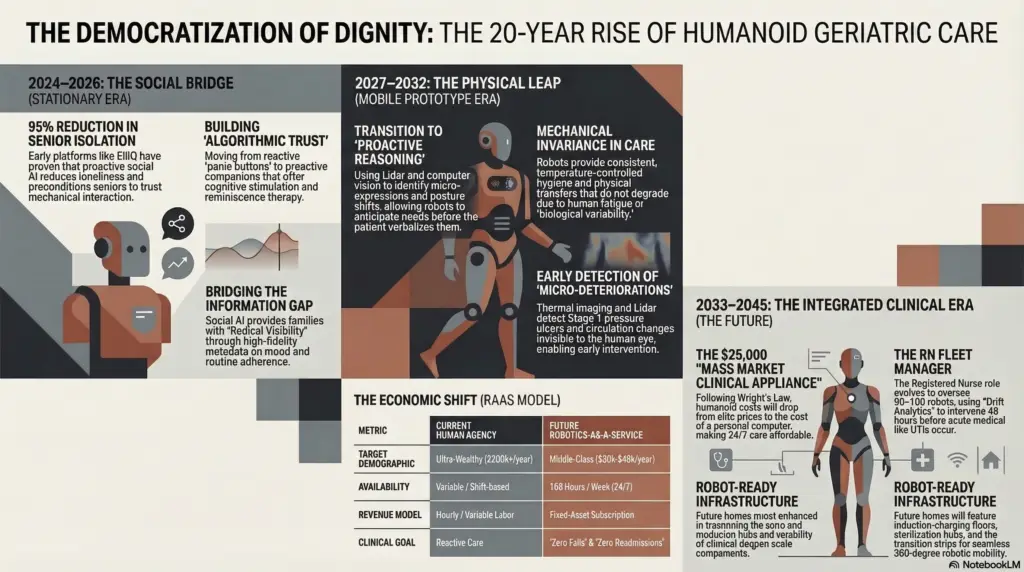
By: Jude Chartier, RN / AI Nurse Hub Date: March 7, 2026 Abstract The home care industry is currently entering its “iPhone Moment”—a pivotal transition where “general purpose” humanoid hardware is poised to replace single-use medical devices and fragmented human labor. This article explores the 20-year trajectory of geriatric robotics, tracing the evolution from stationary […]
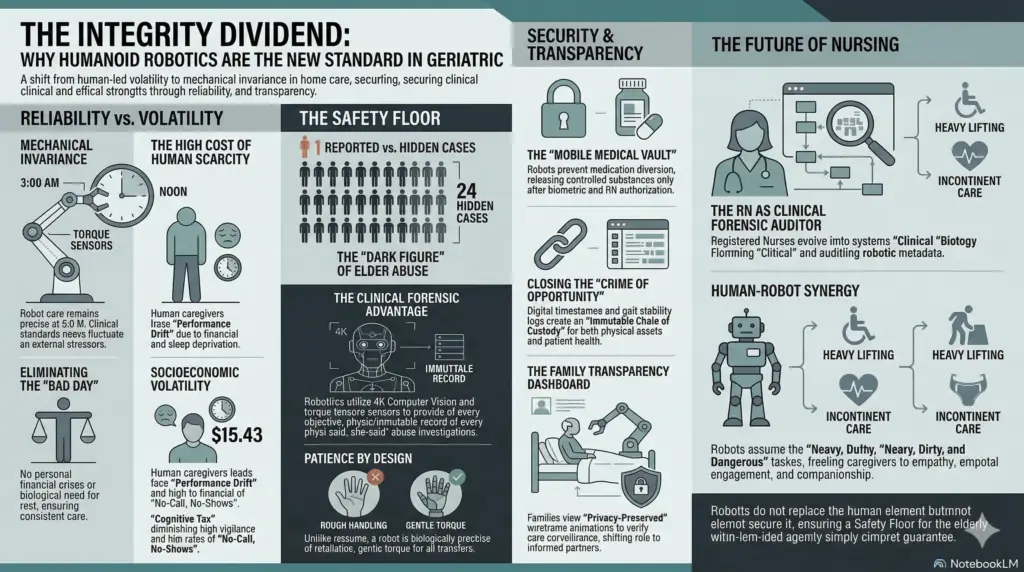
By: Jude Chartier, RN AI Nurse Hub Date: March 7, 2026 Abstract The modern home care industry operates within a “Domestic Black Box,” a clinical environment characterized by high-risk tasks performed in total isolation with minimal oversight. While traditional discourse prioritizes “human-centric” care, current data reveals a systemic integrity vacuum defined by high turnover, financial […]
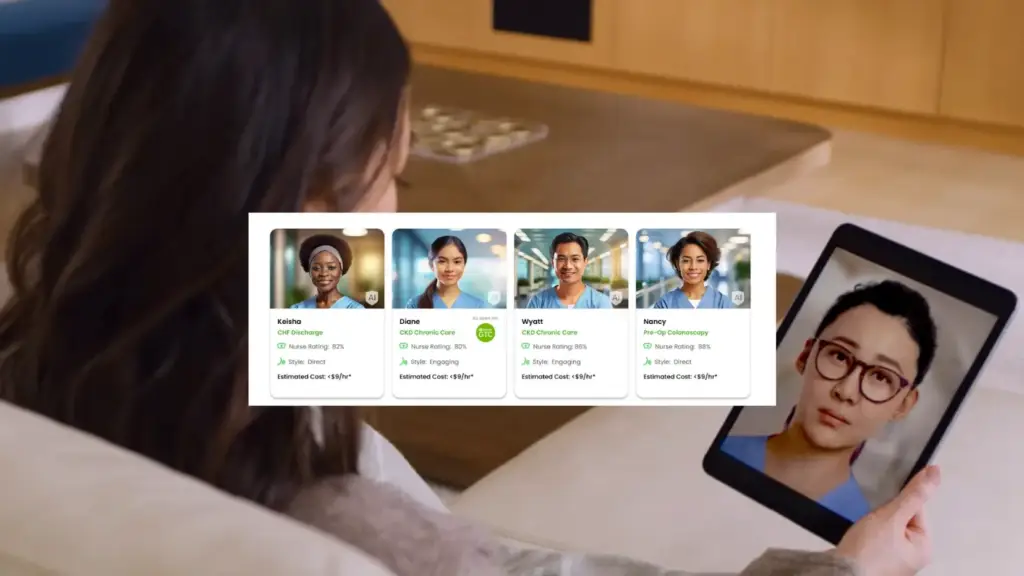
A partnership between NVIDIA and Hippocratic AI has produced agentic AI “nurses” that handle routine patient inquiries and post-care follow-ups. While they don’t replace human judgment, they offload low-level tasks, allowing human nurses to focus on complex clinical reasoning while the AI manages routine home check-ins. Read More
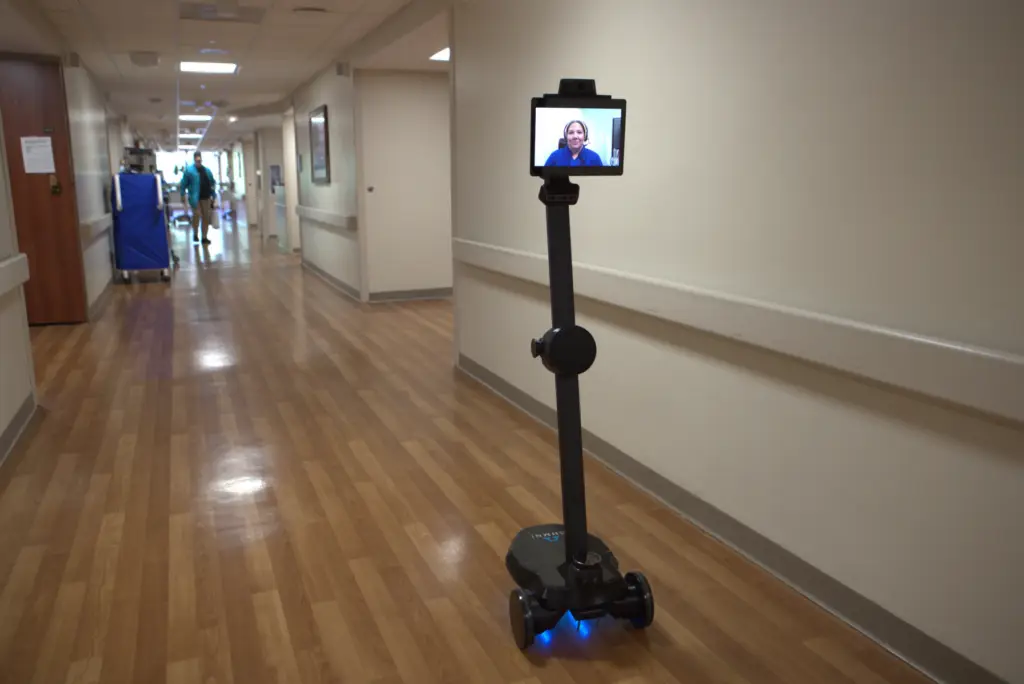
Baptist Memorial is using OhmniLabs robot technology to maximize efficiency. Virtual nurses operate these robots to deliver education materials and documents to bedside teams. This model allows experienced nurses, who may no longer meet the physical demands of bedside care, to continue contributing to high-quality patient care. Read More
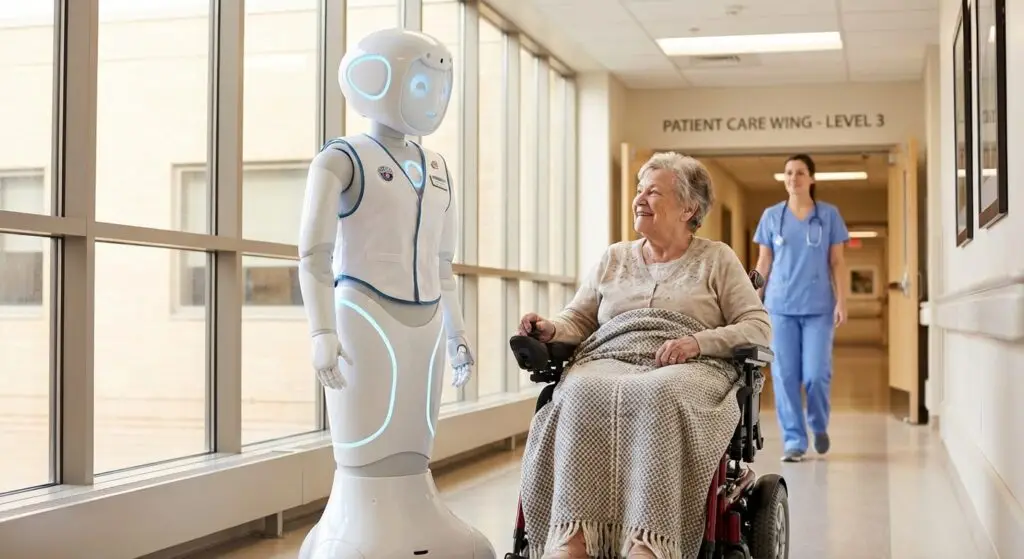
The GR-1 humanoid is being deployed this week for bionic-assisted therapy, handling the heavy lifting of gait training. This provides rehab nurses with a tireless partner that maintains perfect procedural consistency, allowing the nurse to focus on the cognitive and emotional milestones of patient recovery. Read More
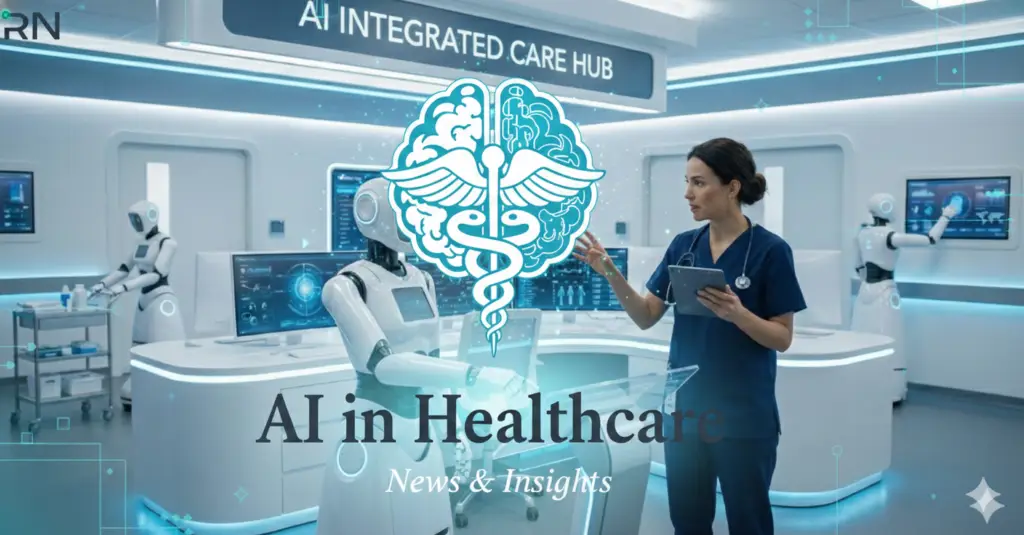
Previewed today for the upcoming HIMSS 2026 conference, these AI-powered tags use tag-to-tag interactions to automatically log staff-patient encounters. This technology eliminates the manual data entry of “who saw whom and when,” returning valuable time to nurses and providing precise data for compliance and safety audits. Read More