
By using AI agents to manage unified chat, voice, and SMS channels, Sutter Health has drastically reduced patient frustration. For clinic nurses, this ensures that only high-complexity patient inquiries reach their desk, while the AI manages routine follow-ups and appointment scheduling autonomously. Read More
Following successful logistical pilots, the U.S. Department of Veterans Affairs has awarded contracts to scale autonomous support systems, including delivery robots, nationwide. For VA nurses, this represents a massive reduction in the physical “logistical drag” of transporting linens, labs, and meals, returning approximately 2.5 hours of bedside time per shift. Read More

NYU Langone researchers developed an artificial intelligence tool that identifies which patients will require additional support from nursing facilities at an 88% accuracy rate — with plans to bring it to a real-world clinical setting in the coming months. Read More
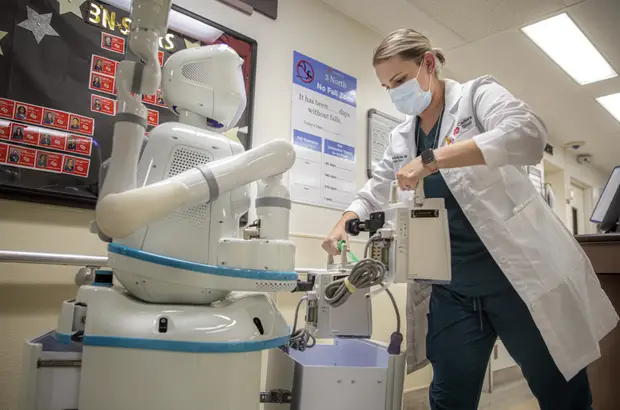
At Cedars-Sinai Medical Center in Los Angeles, robots like nurse assistants are already performing tasks such as delivering supplies and collecting lab samples. Their success in healthcare is paving the way for broader adoption across other industries, signaling a shift toward more integrated robotic support in everyday operations. Read More
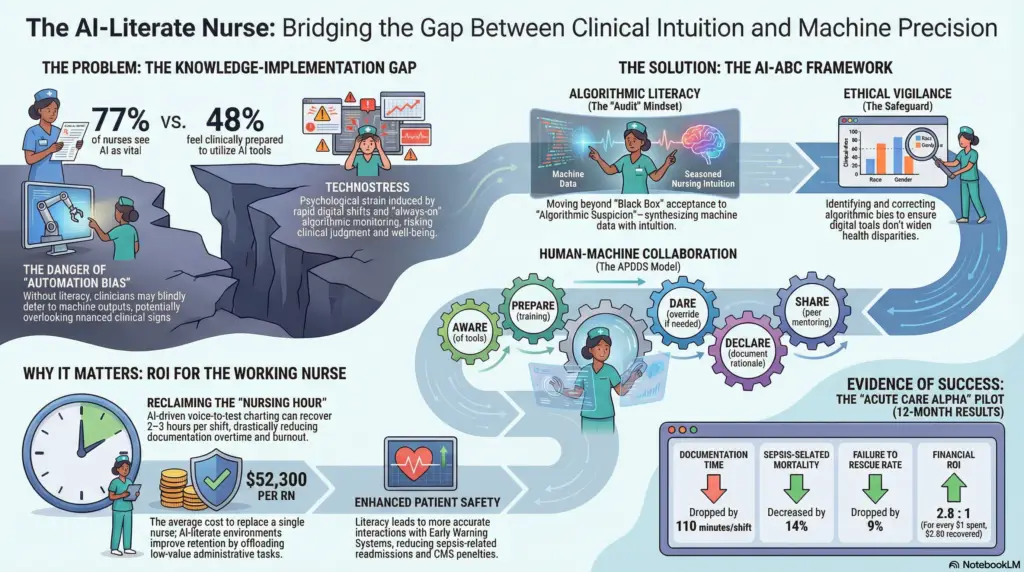
By: Jude Chartier RN / AI Nurse Hub Date: March 2, 2026 Abstract As healthcare systems integrate Artificial Intelligence (AI) and robotics at an unprecedented rate, a significant “preparedness-impact gap” has emerged among the frontline nursing workforce. While technology promises to alleviate administrative burdens and enhance patient safety, success is contingent upon nursing AI literacy. […]
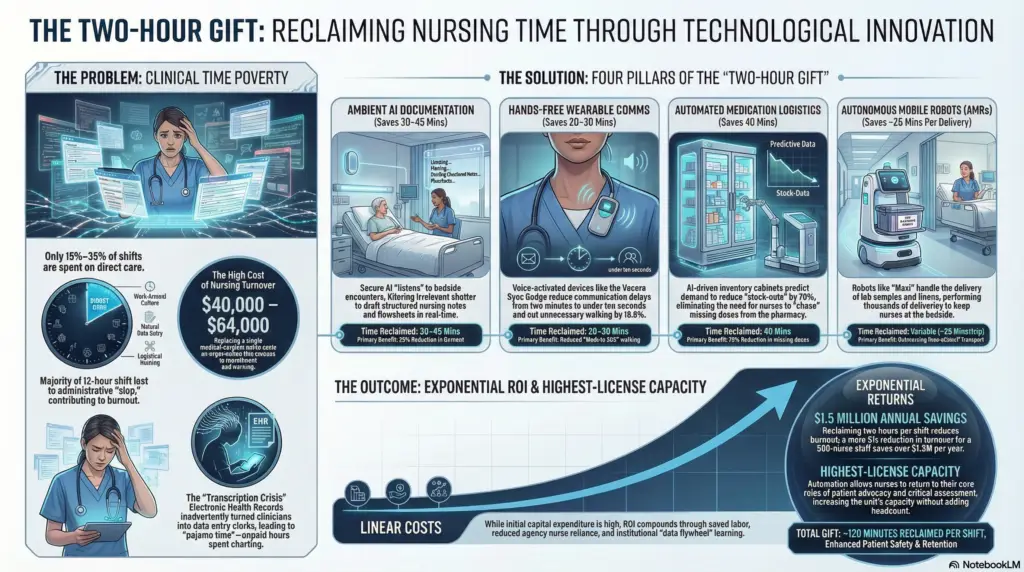
By: Jude Chartier RN / AI Nurse Hub Date: February 19, 2026 Abstract The global nursing workforce is navigating a period of unprecedented strain, characterized by systemic shortages, escalating burnout, and an aging clinical demographic. Medical-surgical (med-surg) units, often considered the “engine room” of the hospital, experience the highest levels of staff turnover, moral injury, […]
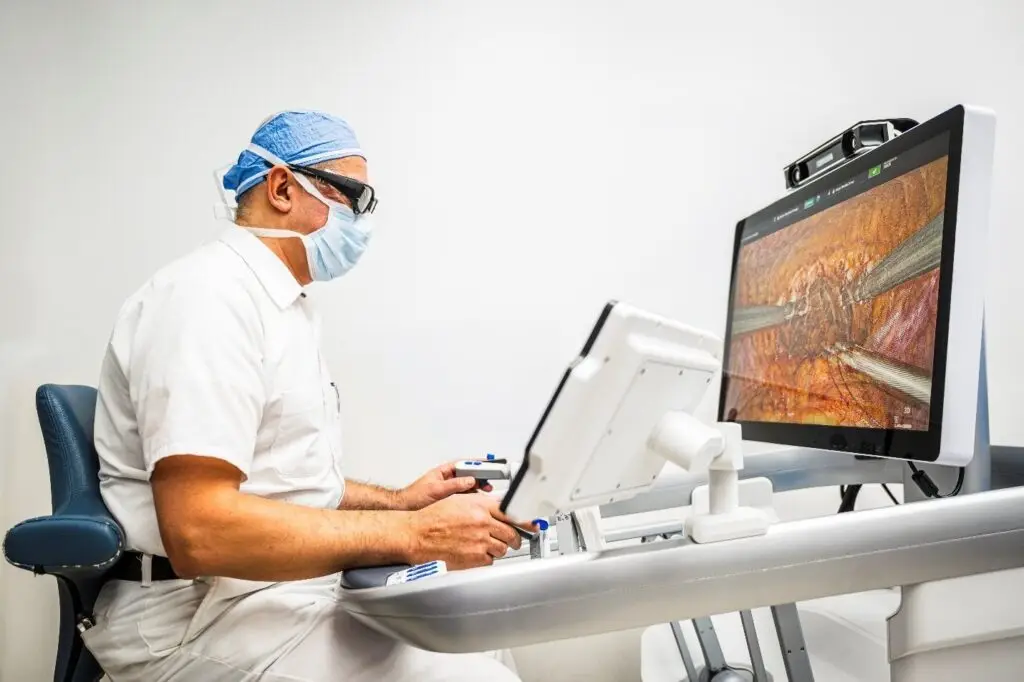
On February 17, 2026, the Cleveland Clinic performed the first commercial US surgery using Medtronic’s Hugo™ robotic-assisted surgery system. For OR nurses, this modular system’s mobile footprint and flexible design are intended to solve scheduling bottlenecks and allow more surgical teams to operate simultaneously using high-tech assistance. Read More

New data shows that 93% of patients engaged with AI-guided programs compared to 83% for human-led ones, overcoming scheduling barriers. For community health nurses, this means the AI handles the “routine check-ins,” allowing the nurse to focus on the 10% of high-risk patients who require intensive clinical intervention. Read More

In a major leap for point-of-care efficiency, nurses at Sutter Health can now ask natural language questions directly inside the patient’s chart to retrieve current protocols. This “Digital Preceptor” eliminates the need for nurses to leave the bedside to search through separate policy manuals or medical databases. Read More
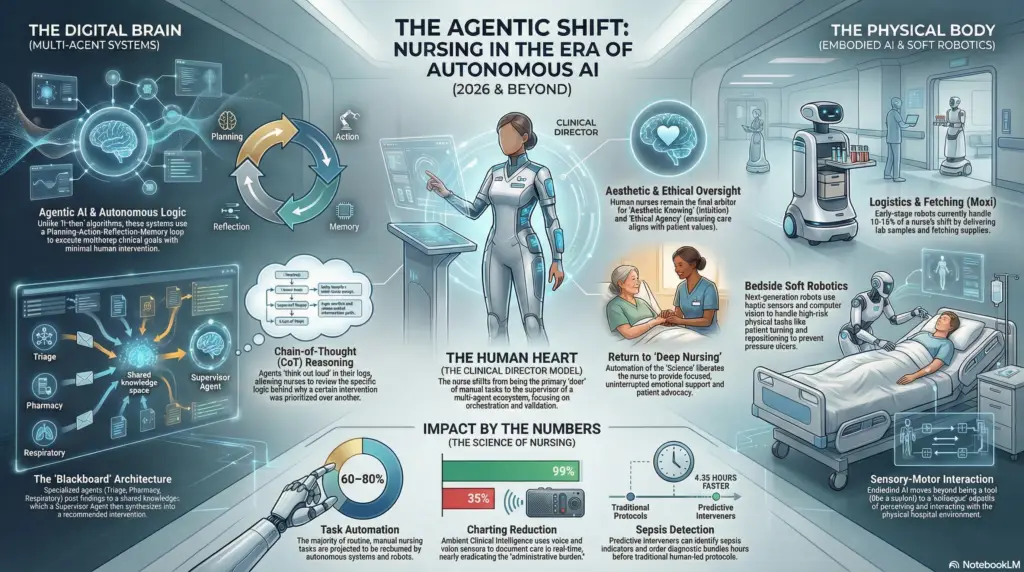
By: Jude Chartier RN / AI Nurse Hub Date: February 18, 2026 Abstract The integration of autonomous AI agents and embodied robotics into acute care settings represents a paradigm shift from assistive technology to agentic partnership. This article explores the current trajectories of “Agentic AI”—systems capable of independent planning, reasoning, and multi-step execution—and their synergy […]