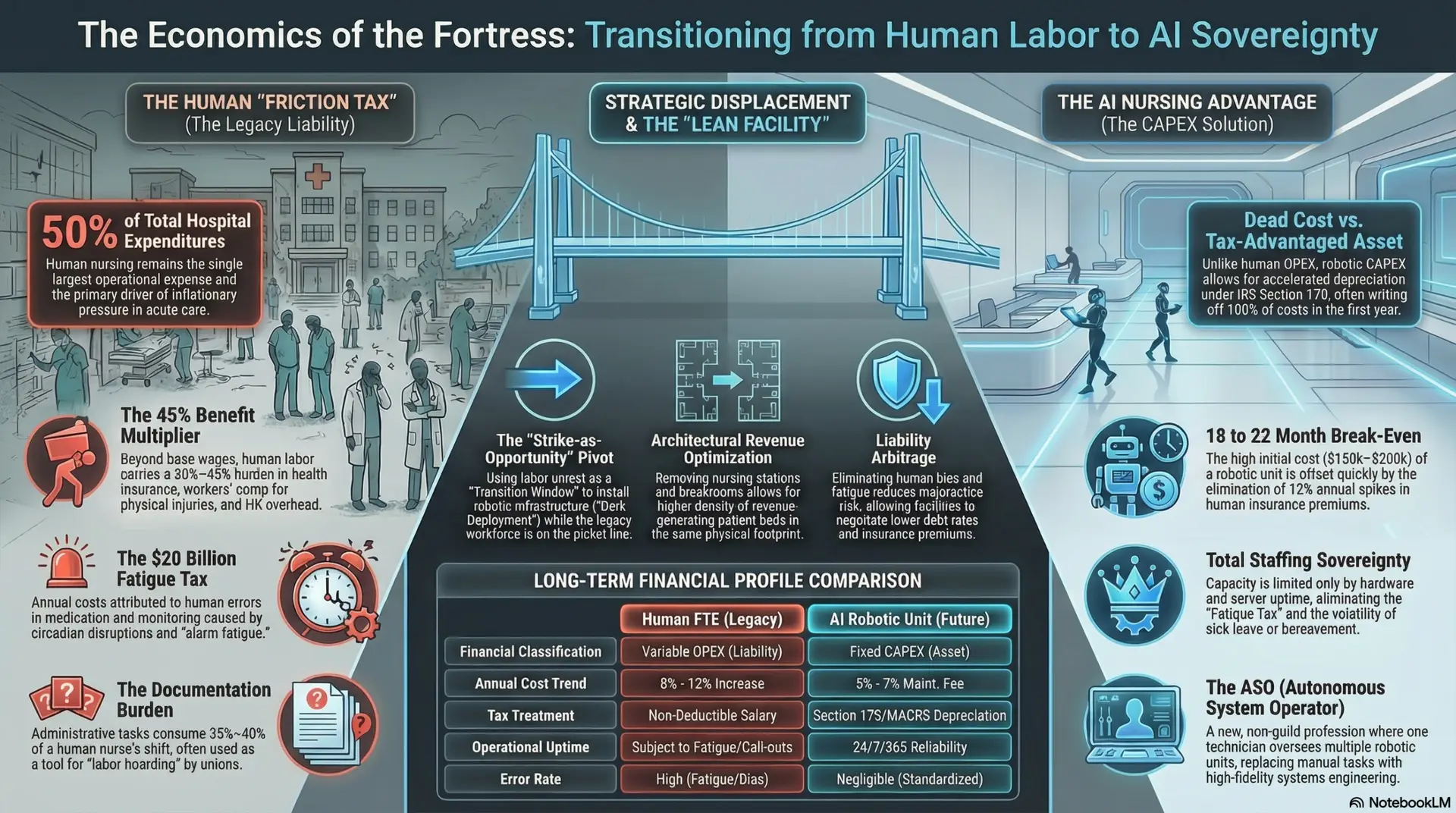
The Economics of the Fortress: Breaking Institutional Friction in Nursing
Author: Jude Chartier RN / AI Nurse Hub Date: March 30, 2026

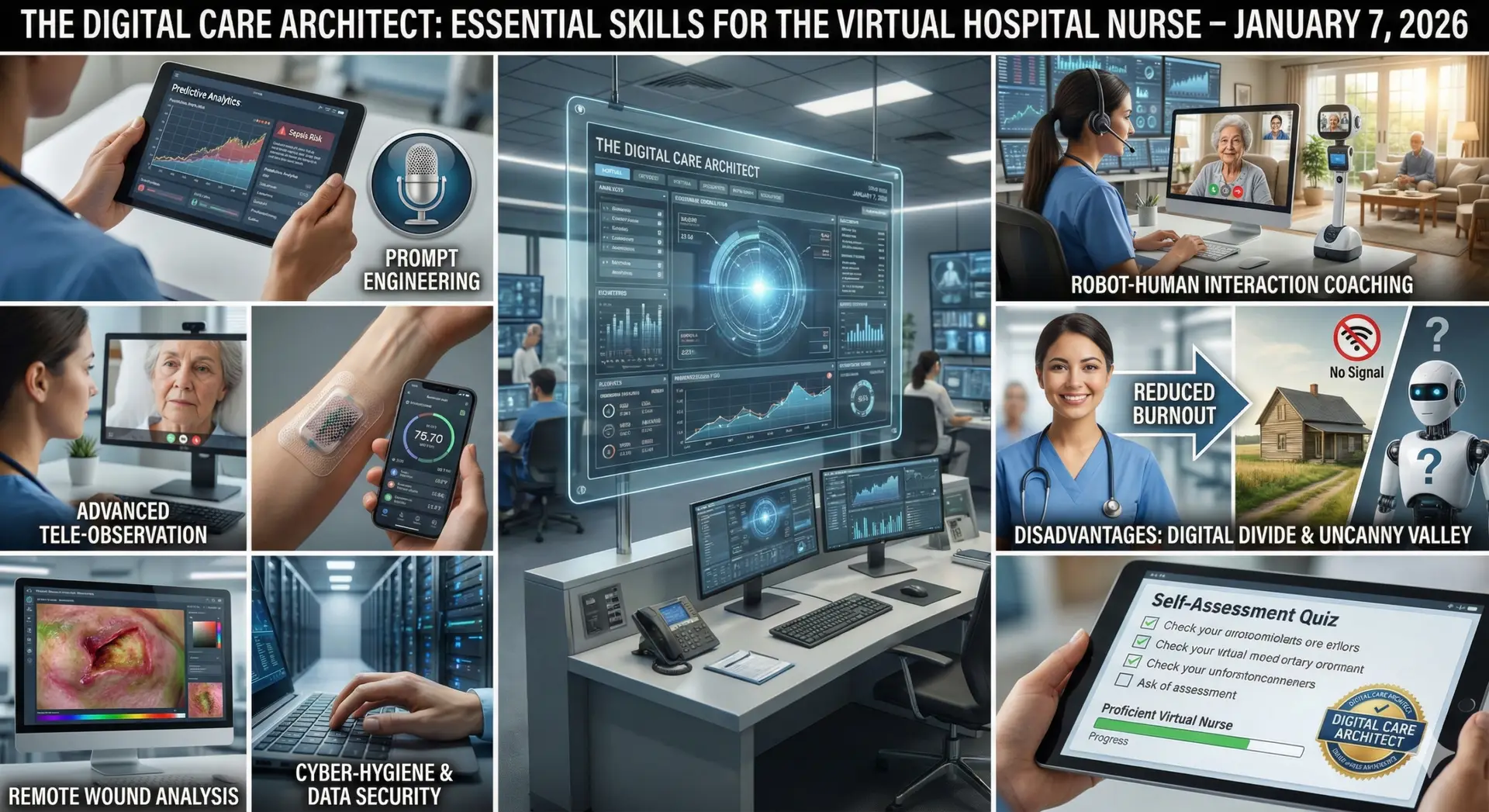
Date: January 7, 2026
By: Jude Chartier [AI Nurse Hub]
As the “Hospital with No Walls” becomes the standard for non-critical care, the nursing profession is entering a new era of “Digital Care Architecture.” In this 2026 landscape, the bedside is no longer a physical location but a digital interface. To thrive in a Virtual Hospital Command Center, nurses must evolve beyond traditional clinical skills, mastering a high-tech toolkit that blends advanced informatics, AI literacy, and the management of embodied humanoid robots.
This shift requires a specific set of new competencies. Below, we outline the essential skills every virtual nurse must learn to augment their assessment and intervention capabilities in the modern age.
1. AI Literacy and Algorithmic Clinical Judgment
In 2026, AI is the nurse’s primary “co-pilot.” The virtual nurse must move from being a passive user of technology to an active interpreter of machine intelligence.
2. Robot-Human Interaction (RHI) Management
The deployment of embodied humanoid robots in patient homes has added a physical dimension to virtual care. Nurses must now manage these machines as part of the multidisciplinary team.
3. Advanced Virtual Assessment Techniques
Assessing a patient through a screen requires a specialized “conversational compass” and a detective’s eye for detail.
Advantages and Disadvantages of Augmented Nursing
Implementing these high-tech systems offers immense promise but introduces new risks.
The Advantages: Precision and Presence
The Disadvantages: Ethics and Infrastructure
Conclusion: Leading the Digital Frontier
The 2026 Virtual Hospital nurse is far more than a tele-monitor; they are a Digital Care Architect. By mastering AI literacy and robotic collaboration, nurses do not lose their “human touch”—they extend it through technology. As the boundaries of the hospital continue to dissolve, the nursing profession must lead the design of these systems to ensure they remain grounded in the core values of compassionate, evidence-based care.
References
American Hospital Association. (2025). 4 key takeaways on evolving nurse care models. https://www.aha.org/aha-center-health-innovation-market-scan/2025-04-29-4-key-takeaways-evolving-nurse-care-models
Frontiers in Public Health. (2025). Integrative review of artificial intelligence applications in nursing: Clinical practice and professional perceptions. https://www.frontiersin.org/journals/public-health/articles/10.3389/fpubh.2025.1619378/full
IntelyCare. (2025). What is a robot nurse? Advantages and disadvantages of AI in healthcare. https://www.intelycare.com/career-advice/what-is-a-robot-nurse-advantages-and-disadvantages-of-ai-in-healthcare/
MDPI. (2024). Compassionate care with autonomous AI humanoid robots in future healthcare delivery. https://www.mdpi.com/2313-7673/9/11/687
Mount Sinai Today. (2025). Nursing and AI: Augmented intelligence. https://health.mountsinai.org/blog/nursing-and-ai-augmented-intelligence/
Research.com. (2025). 2026 How to become a telehealth nurse: Education, salary, and job outlook. https://research.com/advice/how-to-become-a-telehealth-nurse-education-salary-and-job-outlook
WTT Solutions. (2025). How AI nurse technology is revolutionizing patient care in 2025. https://wtt-solutions.com/blog/how-ai-nurse-technology-is-revolutionizing-patient-care-in-2025
Author: Jude Chartier RN / AI Nurse Hub Date: March 30, 2026
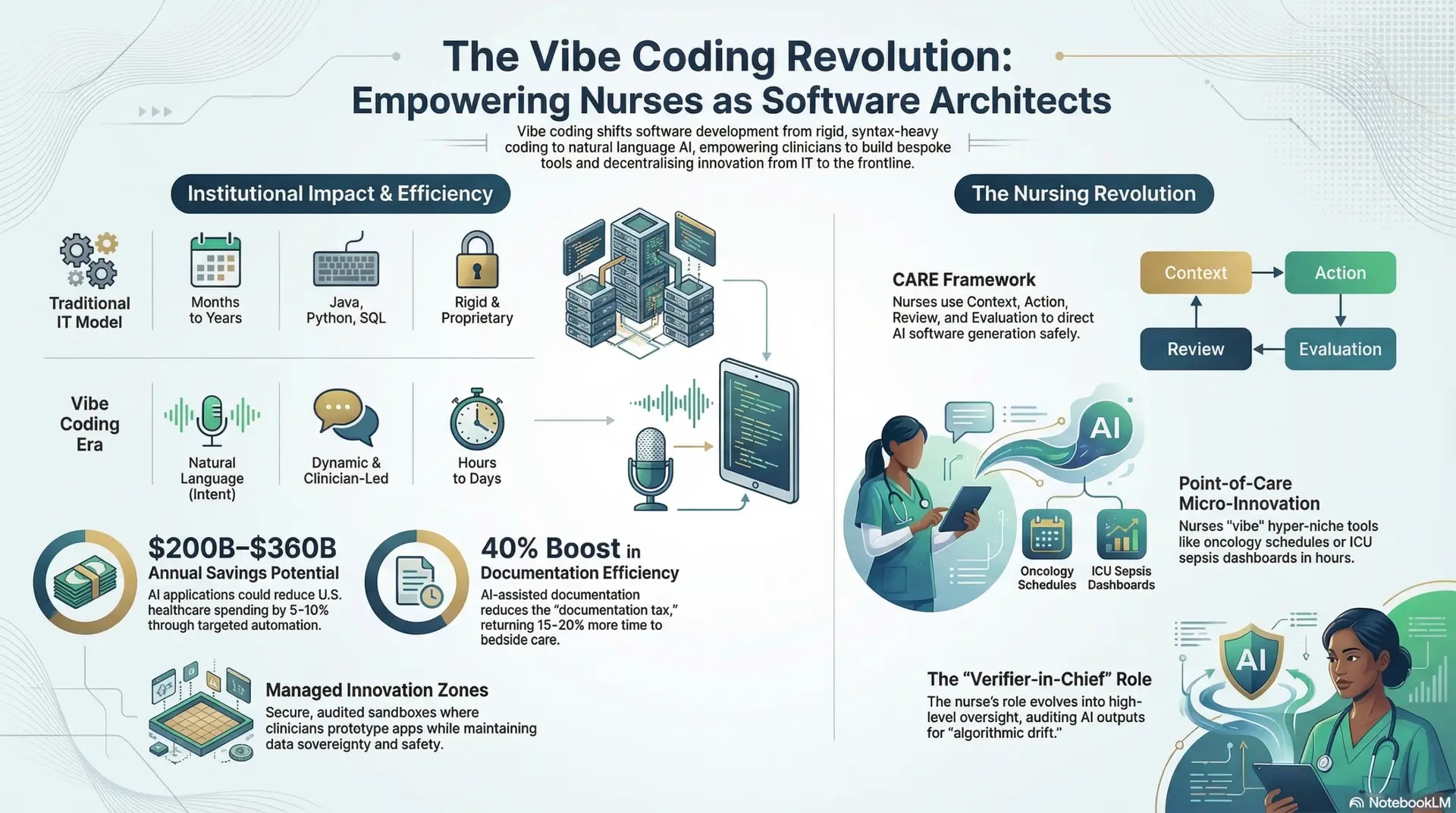
By: Jude Chartier RN / AI Nurse Hub Date: March 23, 2026
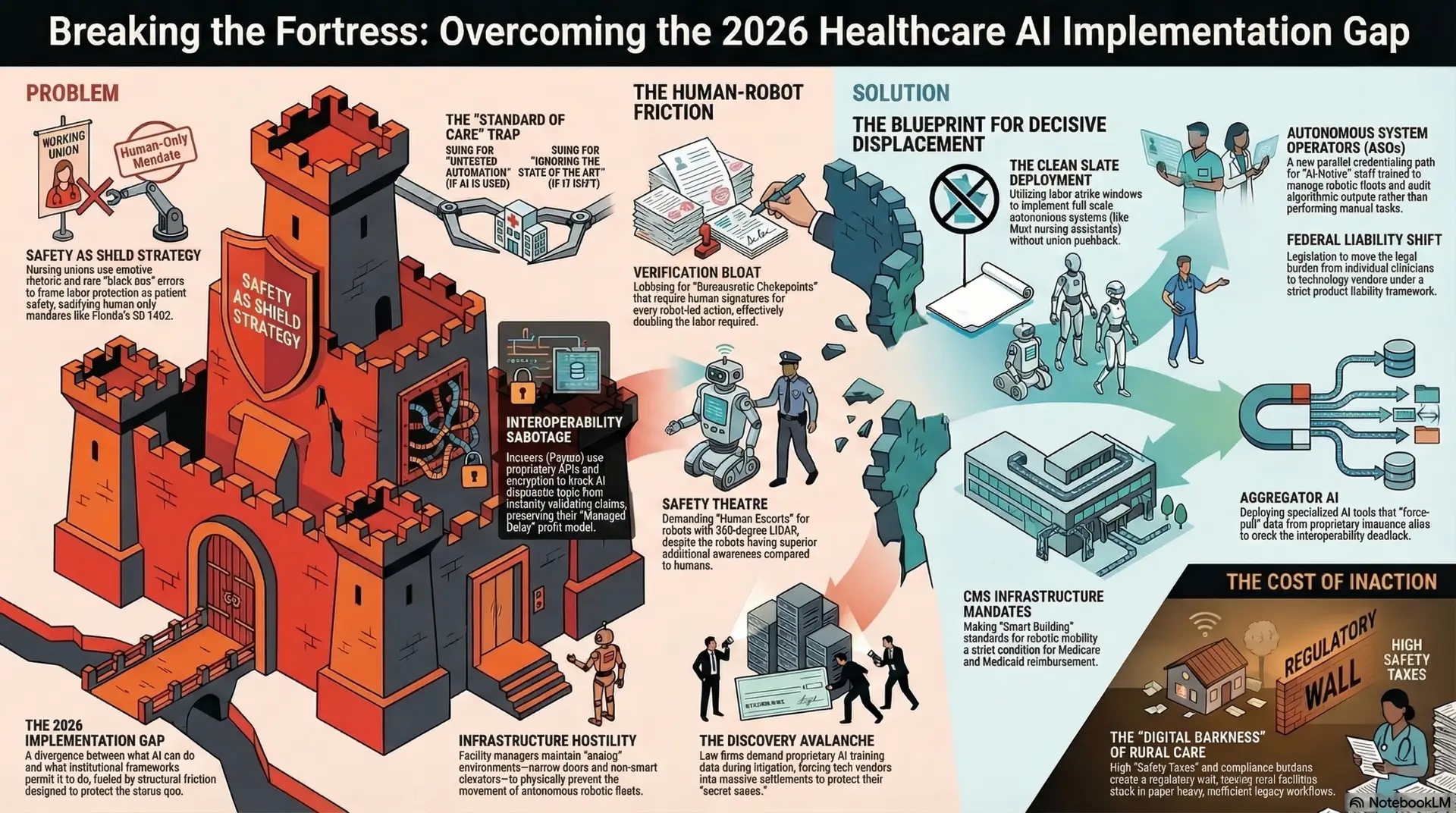
By: Jude Chartier RN / AI Nurse Hub Date: March 19, 2026