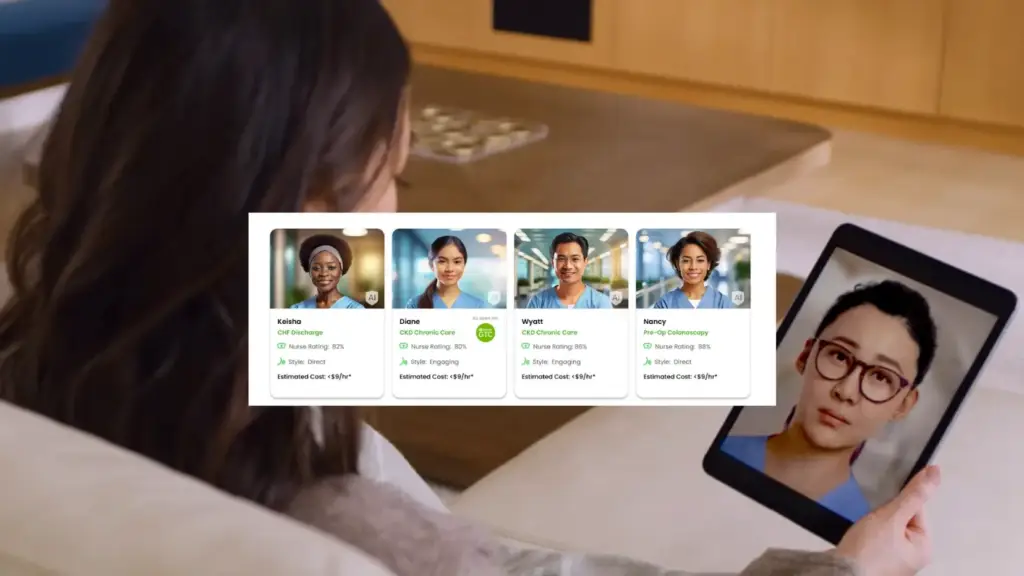
A partnership between NVIDIA and Hippocratic AI has produced agentic AI “nurses” that handle routine patient inquiries and post-care follow-ups. While they don’t replace human judgment, they offload low-level tasks, allowing human nurses to focus on complex clinical reasoning while the AI manages routine home check-ins. Read More
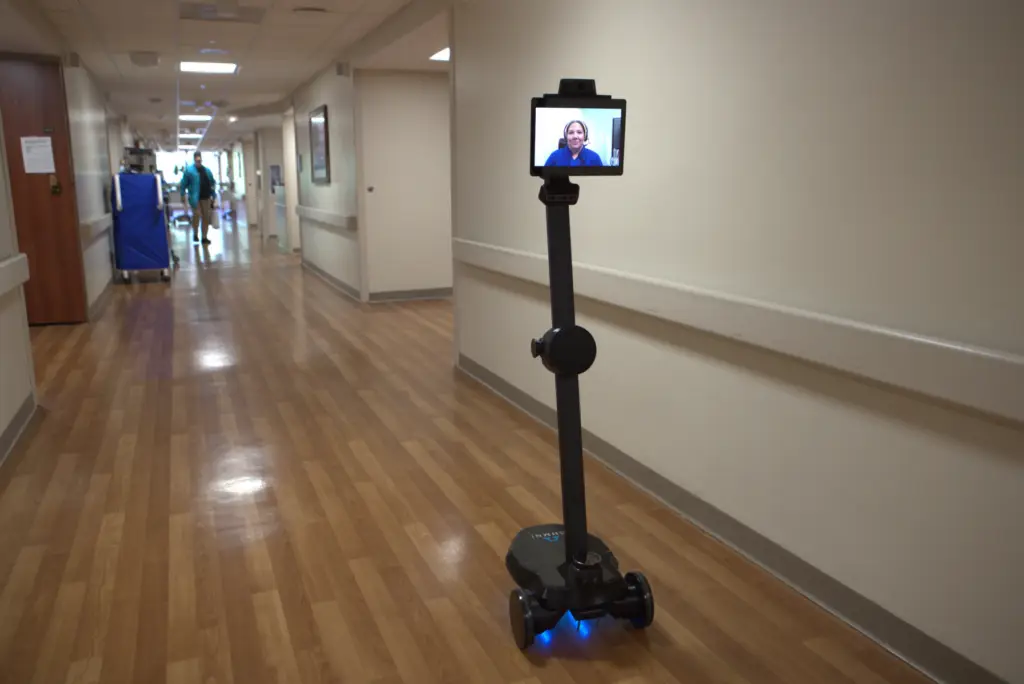
Baptist Memorial is using OhmniLabs robot technology to maximize efficiency. Virtual nurses operate these robots to deliver education materials and documents to bedside teams. This model allows experienced nurses, who may no longer meet the physical demands of bedside care, to continue contributing to high-quality patient care. Read More
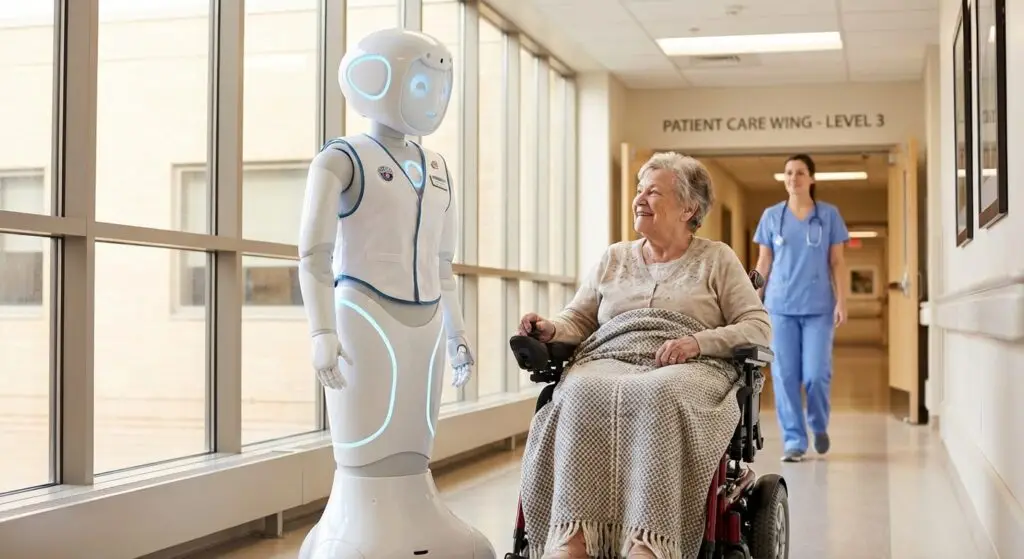
The GR-1 humanoid is being deployed this week for bionic-assisted therapy, handling the heavy lifting of gait training. This provides rehab nurses with a tireless partner that maintains perfect procedural consistency, allowing the nurse to focus on the cognitive and emotional milestones of patient recovery. Read More

Previewed today for the upcoming HIMSS 2026 conference, these AI-powered tags use tag-to-tag interactions to automatically log staff-patient encounters. This technology eliminates the manual data entry of “who saw whom and when,” returning valuable time to nurses and providing precise data for compliance and safety audits. Read More
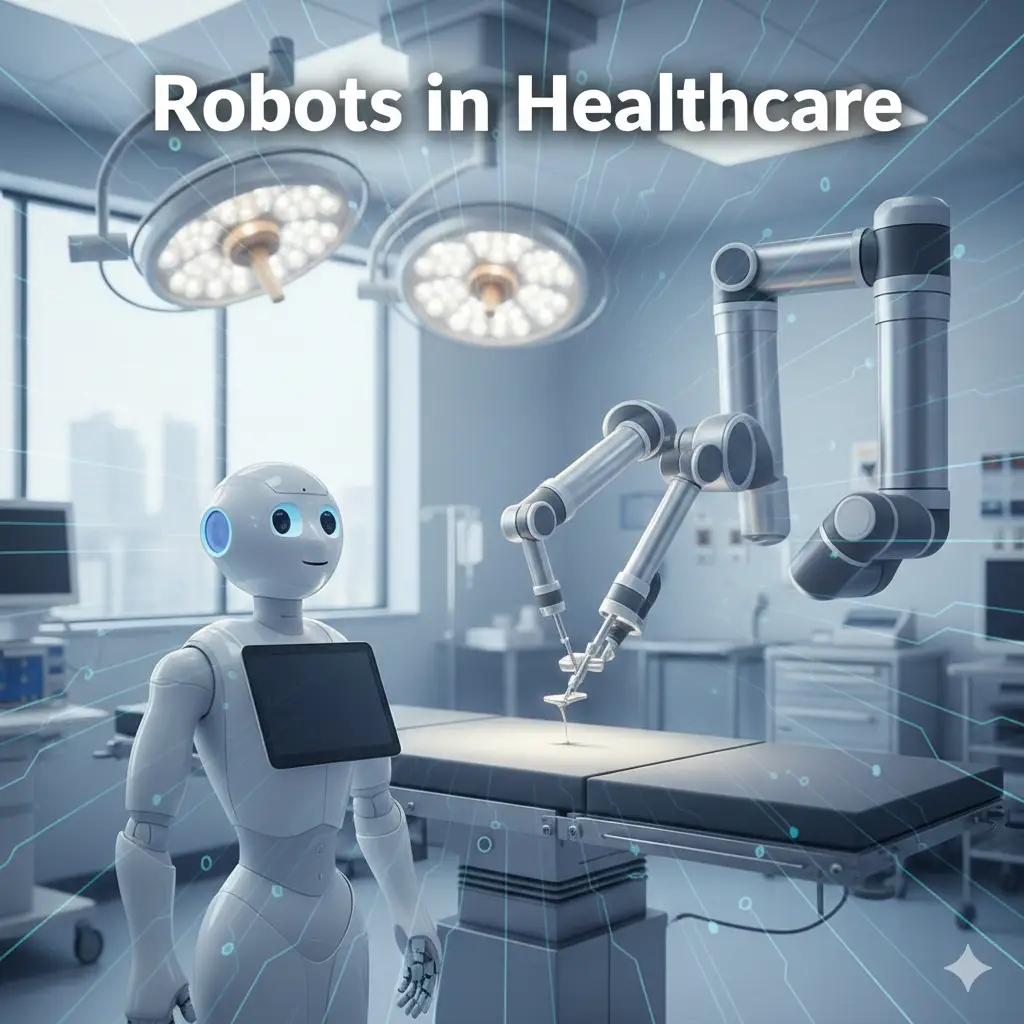
New market data released today confirms the robotic nurse assistant sector has surged to $1.81 billion, driven by urgent needs to mitigate staff shortages. For bedside nurses, this indicates a massive influx of autonomous teammates designed to handle repetitive tasks like supply delivery and patient monitoring, aiming to reduce the physical “logistical drag” on human […]